
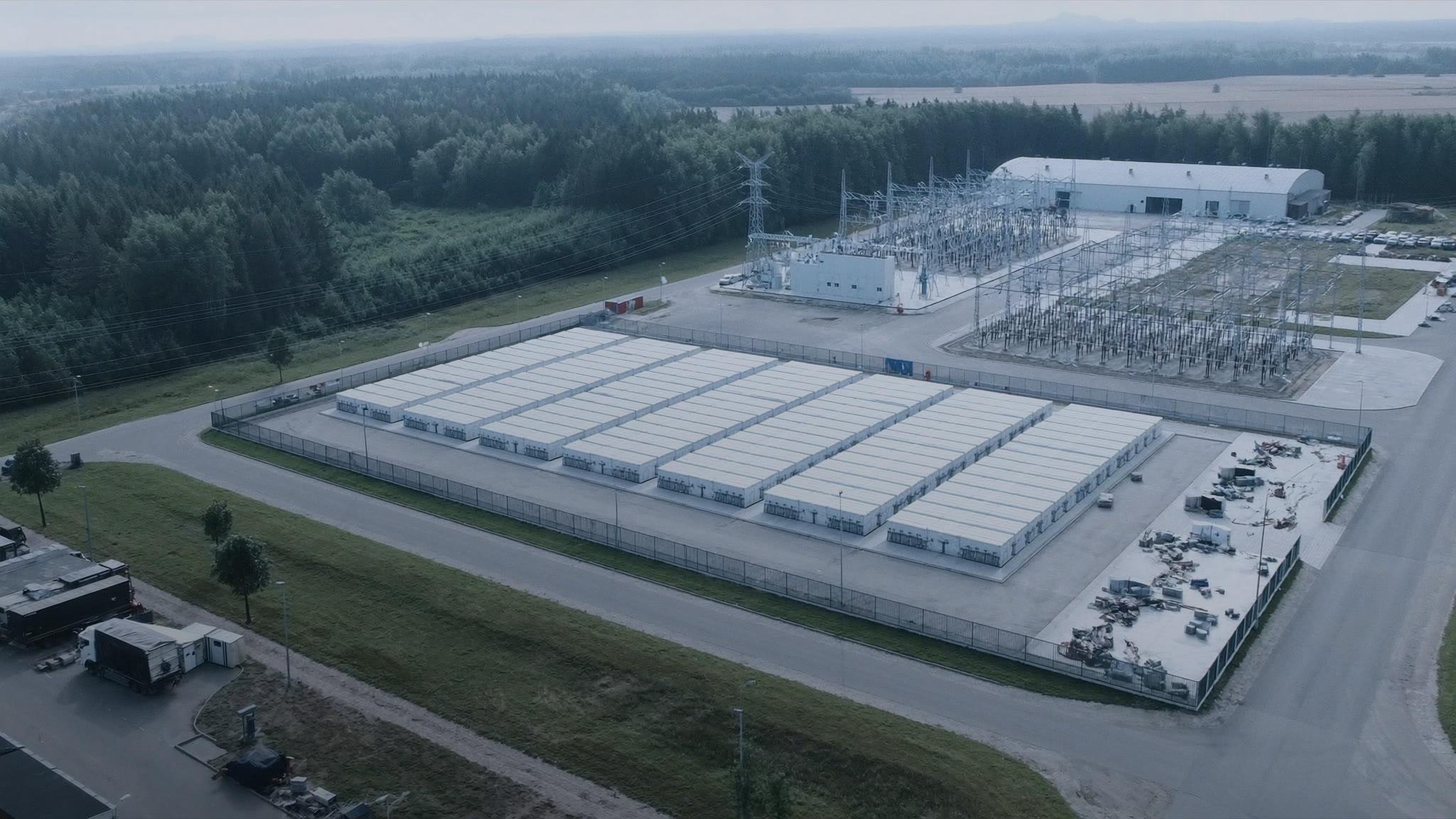
Project Prometheus
In February 2025 the Baltic states disconnected from the Russian BRELL grid and synchronised with Continental Europe. For the first time, Latvia must balance its own frequency, which creates structural demand for fast, flexible capacity.
Project Prometheus answers that demand with four standalone battery storage projects of 300 MW each, led by Zeus in Salaspils. Every site borders an existing 330 kV substation, and each is held in its own project company, so a partner can take the full platform or enter site by site. Kodo GE is the platform’s lead developer and owner.
Land is secured across all four sites. EPC counterparties and project-financing parties are aligned around the development, several EPC offers are under consideration and tolling discussions are underway. The immediate focus is aligning development expenditure (DEVEX) funding. Permitting and grid-connection work continue; connection capacity is not reserved.
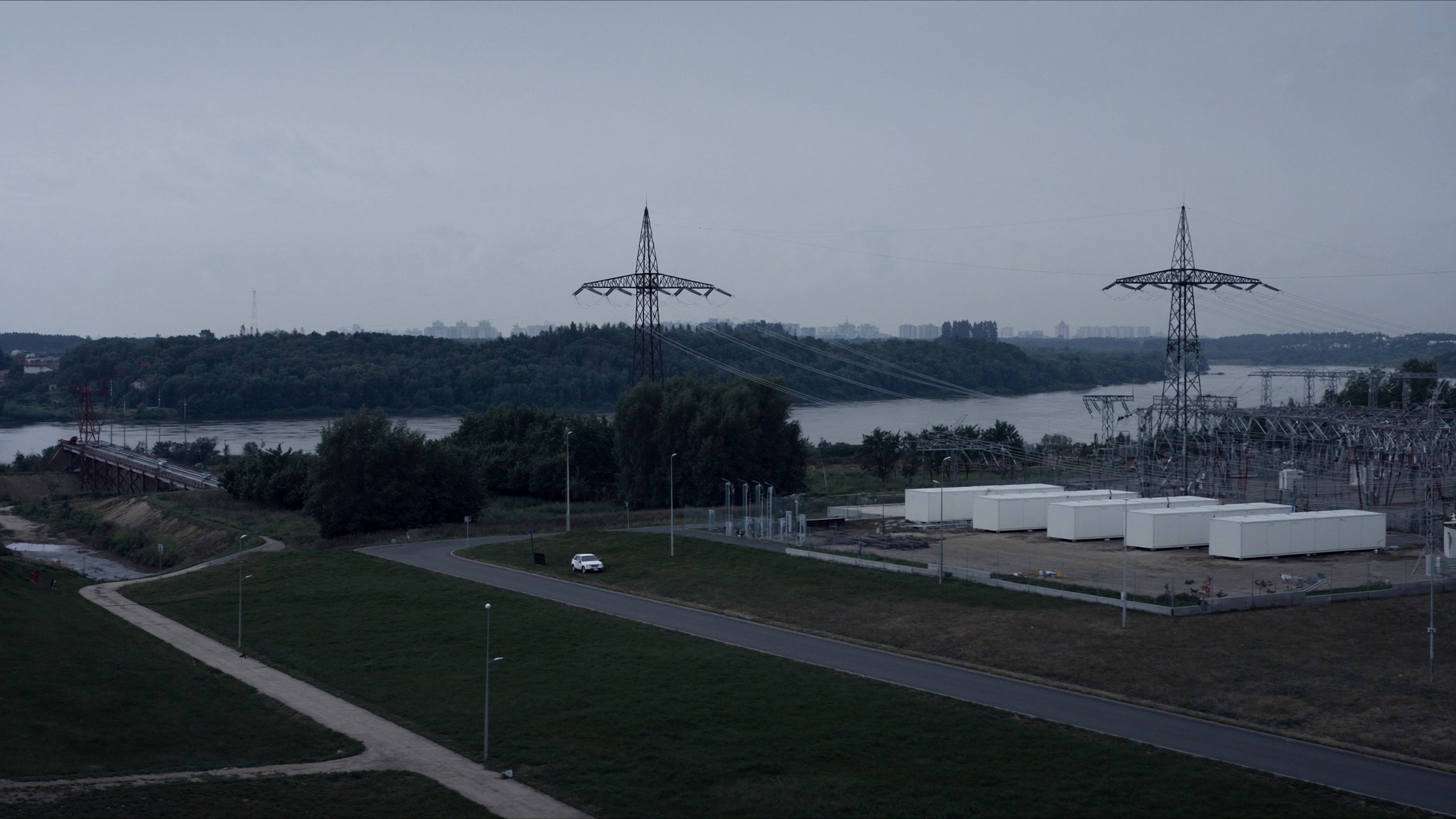
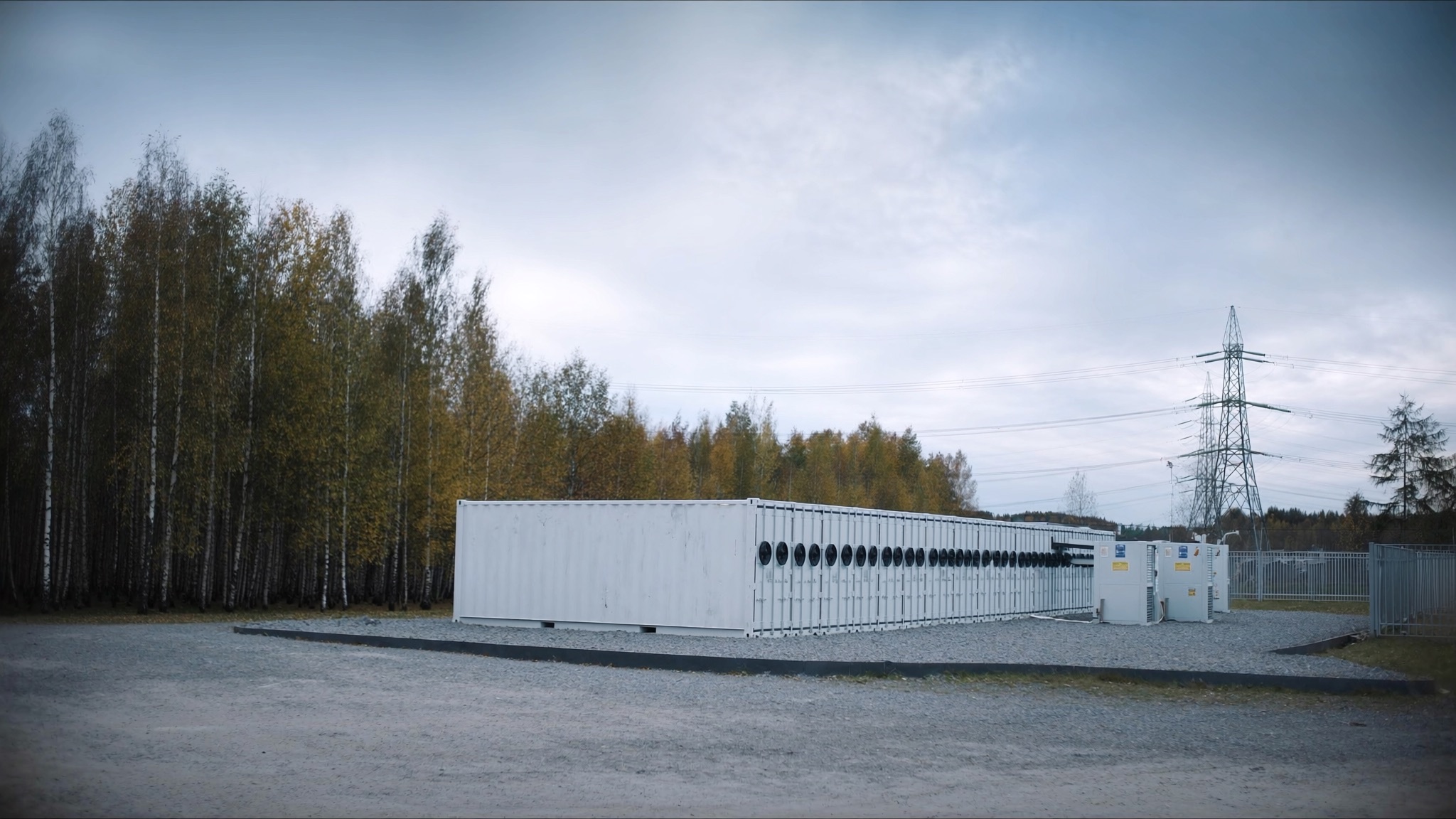
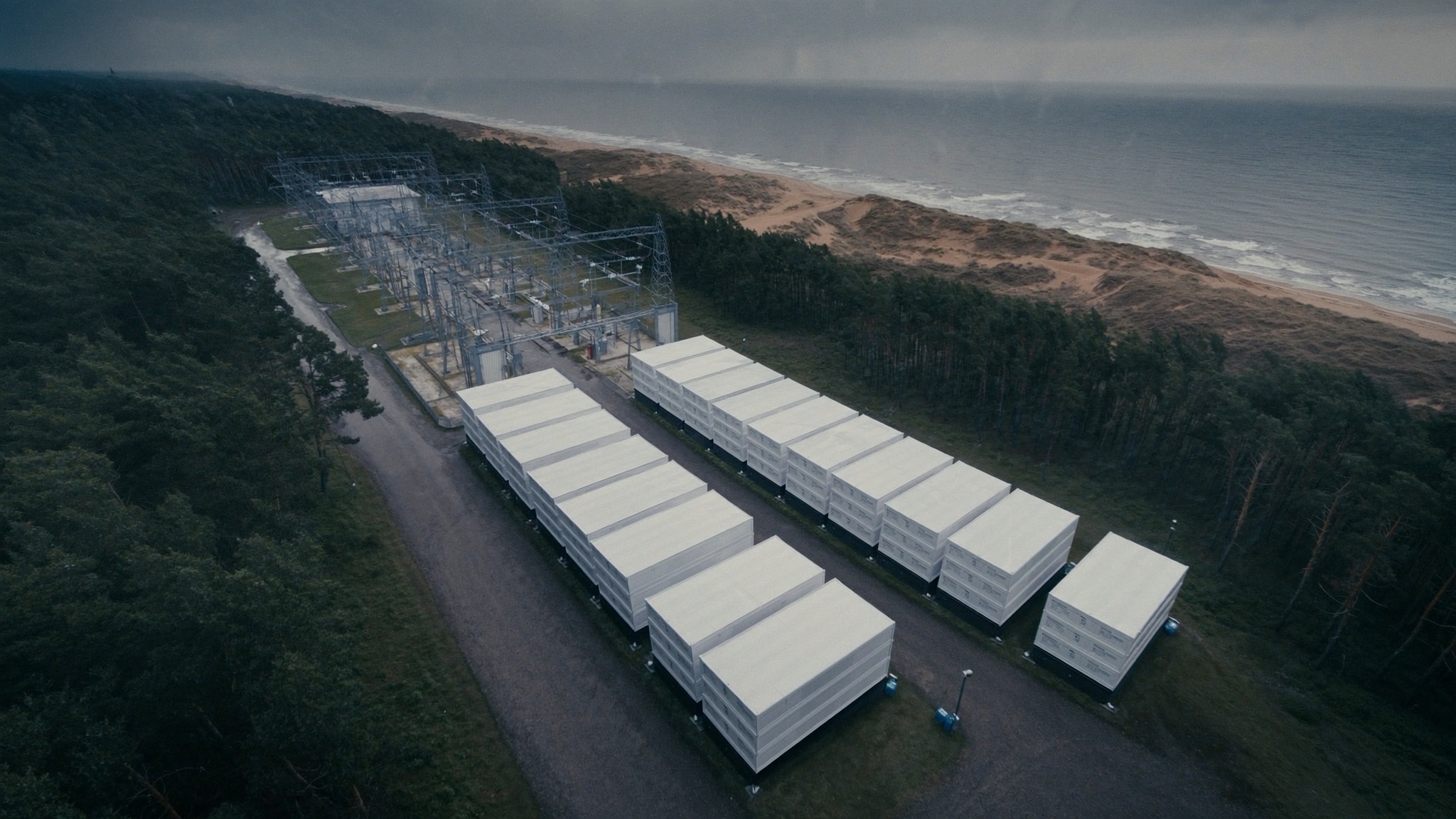
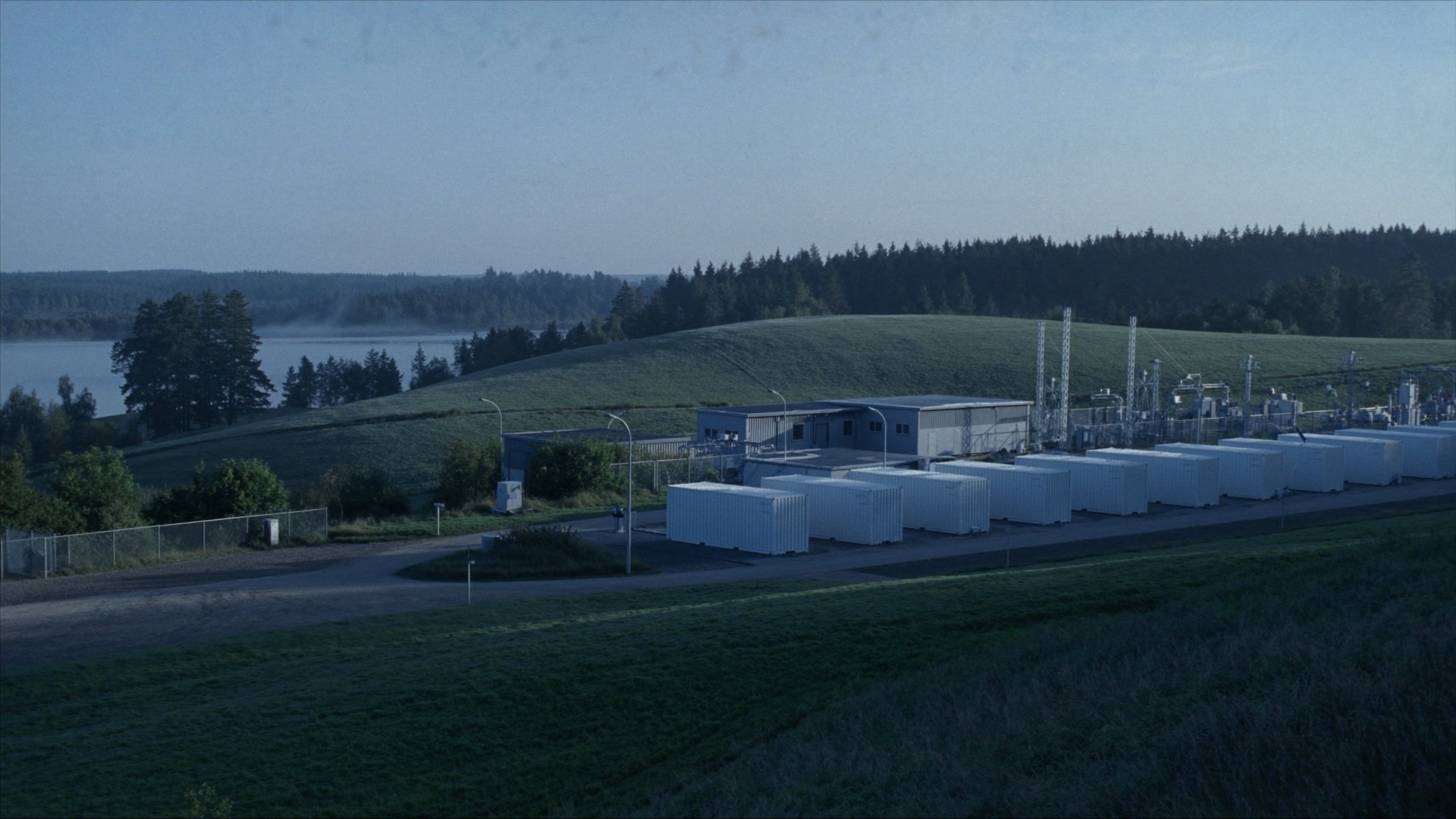
Four standalone assets. One short market.
Every megawatt next to 330 kV
All four sites border an existing 330 kV substation, removing the dedicated grid-connection transformer that off-substation projects must build.
Four independent project companies
Each site has its own project company, grid connection workstream and permits. The scale is modular and the risk is compartmentalised, not concentrated.
Diversified across the national grid
Rīga, Central, Western and Eastern Latvia: the sites spread balancing reach across the transmission backbone and avoid single-point congestion risk.
Four revenue layers
Frequency restoration (mFRR) and containment (FCR) services, energy arbitrage on Nord Pool, and capacity and grid-stability payments.
Development pathway
Project Prometheus
in brief
A battery energy storage development platform with approximately 1.2 GW of planned capacity across four standalone projects in Latvia: Zeus in Salaspils, Hyperion in Krustpils, Atlas in Ventspils and Helios in Daugavpils.
In February 2025 the Baltic states disconnected from the Russian BRELL grid and synchronised with Continental Europe. For the first time, Latvia must balance its own frequency, which creates structural demand for fast, flexible capacity. Battery capacity that is commissioned early serves that demand first.
Yes. Each site is held in its own project company, so a partner can take the full platform or enter site by site.
Contact Kodo GE to discuss acquisition, development funding or equity participation. Detailed technical and commercial information is shared subject to an NDA where required.
Discuss Project Prometheus
with Kodo GE
