7
Afforestation
Central Asia is planting billions of trees. Kodo GE builds the industrial nursery capacity to supply them, one replicable complex at a time.
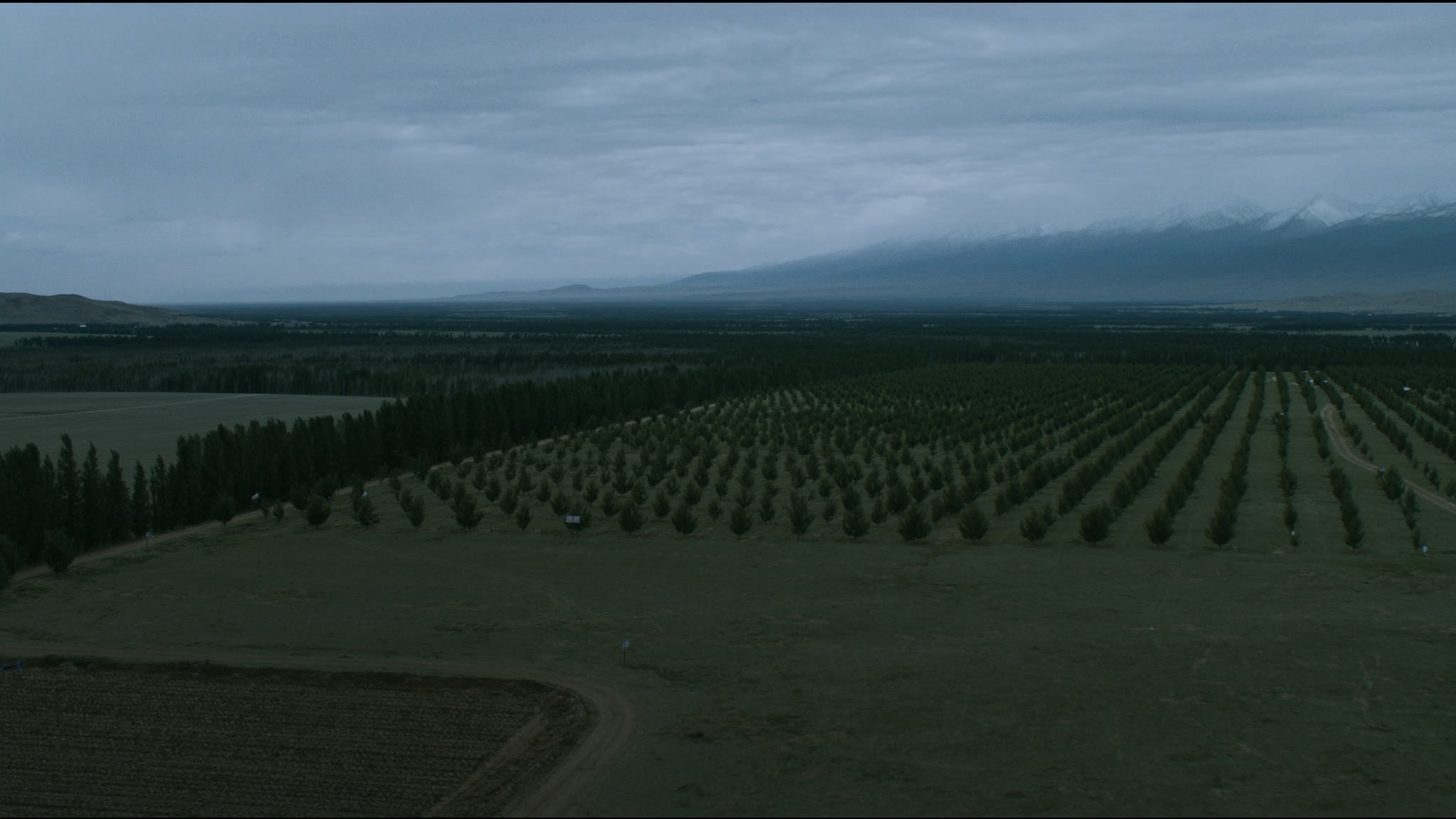
Restoring degraded land captures carbon, protects soil from erosion and desertification, supports biodiversity and creates long-term wood resources. Across Central Asia, governments have turned that into national programmes, and the constraint is now steady supply of climate-adapted seedlings.
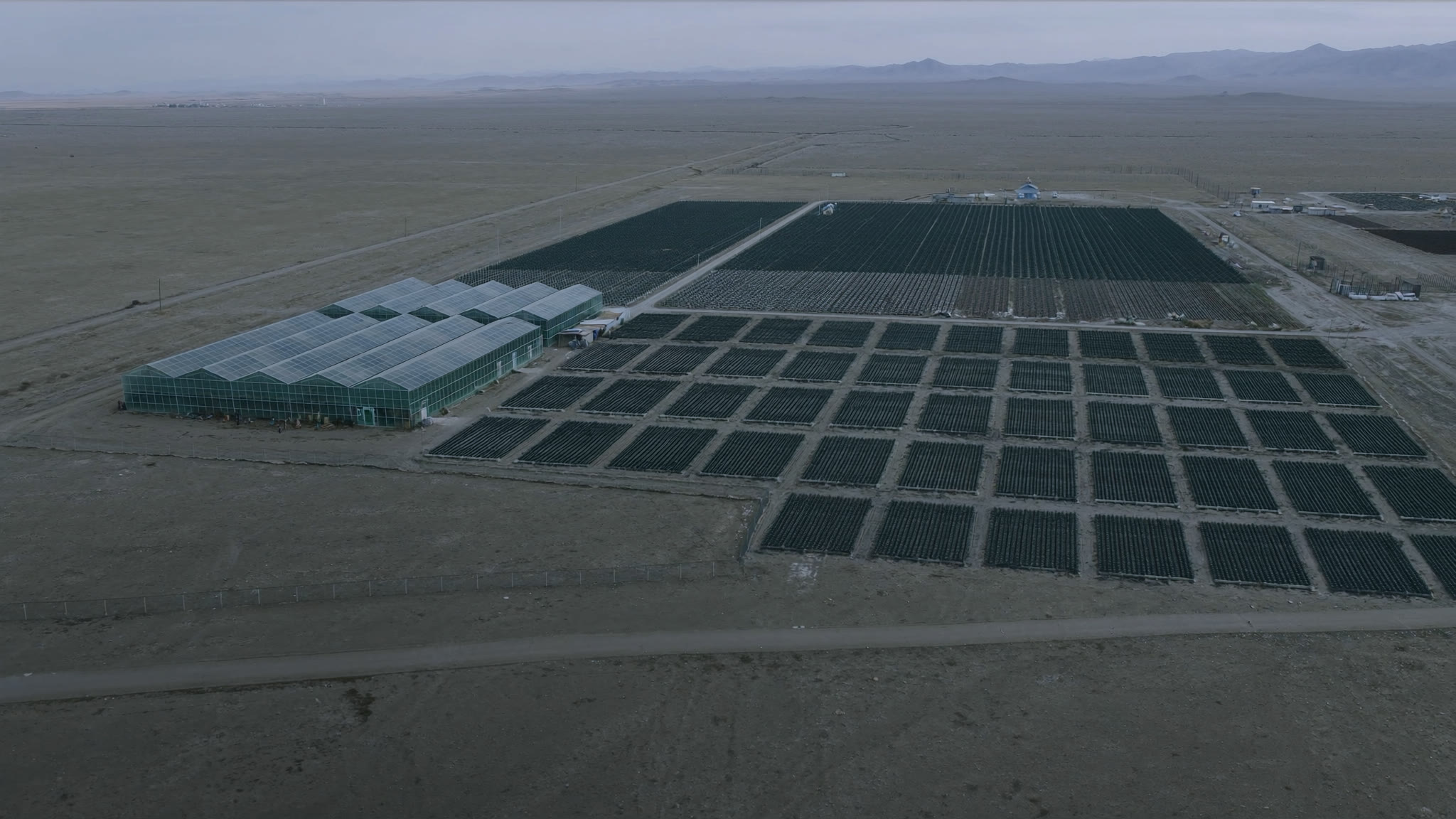
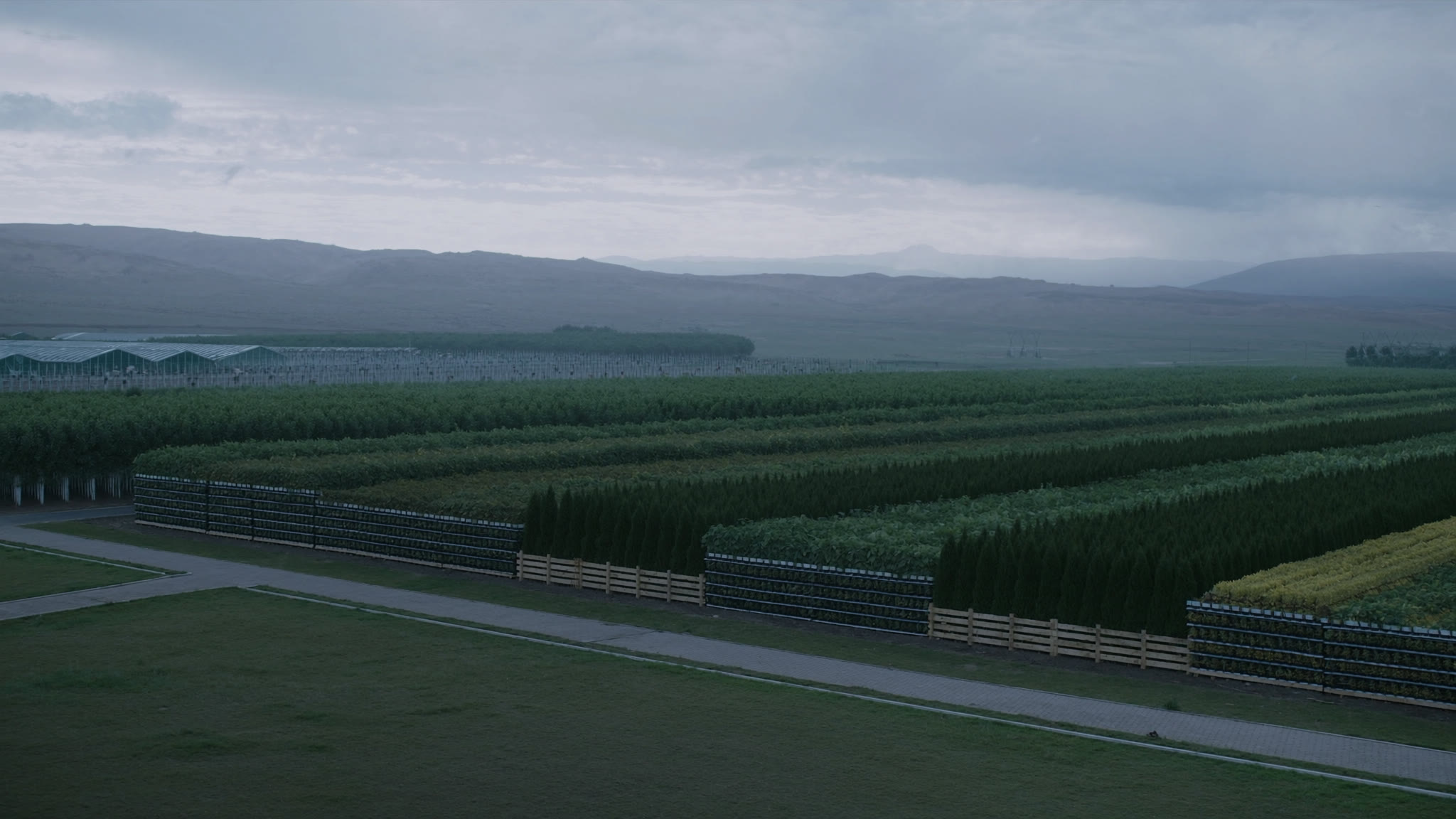
Kodo GE develops industrial nursery complexes that produce 20 million seedlings a year each, using a production system that has run commercially in Latvia for more than a decade. Every complex follows the same design, so capacity scales with national demand.
trees: Kazakhstan’s national planting target, extended to 2027
saplings planted a year under Uzbekistan’s Yashil Makon programme
of dried Aral seabed under protective plantations
World Bank RESILAND CA+ regional restoration programme
Central Asia is planting at national scale
Government-reported figures, 2025–2026. National programmes need a steady supply of climate-adapted seedlings, season after season.
Government programmes across the region
Kazakhstan
A national programme to plant two billion trees, now extended to 2027. About 1.47 billion were planted across 918,000 ha in 2021–2025, and around 1.2 million ha of the dried Aral seabed has been afforested.
Uzbekistan
The Yashil Makon (“Green Space”) national project plants around 200 million saplings a year and aims to raise greening to 30% by 2030. Protective plantations now cover about 2 million ha of the dried Aral seabed.
Kyrgyzstan, Tajikistan and Turkmenistan
Kyrgyzstan’s Jashyl Muras campaign plants millions of saplings each year; Tajikistan’s Green Country programme targets 65 million trees and shrubs; Turkmenistan plants around 3 million trees a year under its national forestry programme.
Regional
The World Bank’s RESILAND CA+ programme supports landscape restoration across the region, including more than 250,000 ha of forest and pasture in Uzbekistan.
Questions &
Answers
National programmes plant hundreds of millions of saplings a year. Sustaining that pace needs reliable, large-scale production of healthy, climate-adapted seedlings, season after season.
No. Each complex is a standard, replicable unit that can be built wherever a national programme needs supply in Central Asia. Site details are shared under NDA.
A 25 ha complex produces 20 million seedlings a year across six species, expandable to 40 million, supporting around 28,000 ha of managed forest each year.
Contact Kodo GE. Detailed technical and commercial information is shared subject to an NDA.