
Central Asia Afforestation
Governments across Central Asia are planting trees at national scale, from Kazakhstan’s two-billion-tree programme to Uzbekistan’s Yashil Makon. Programmes of that size need a steady supply of climate-adapted seedlings, every season, for years.
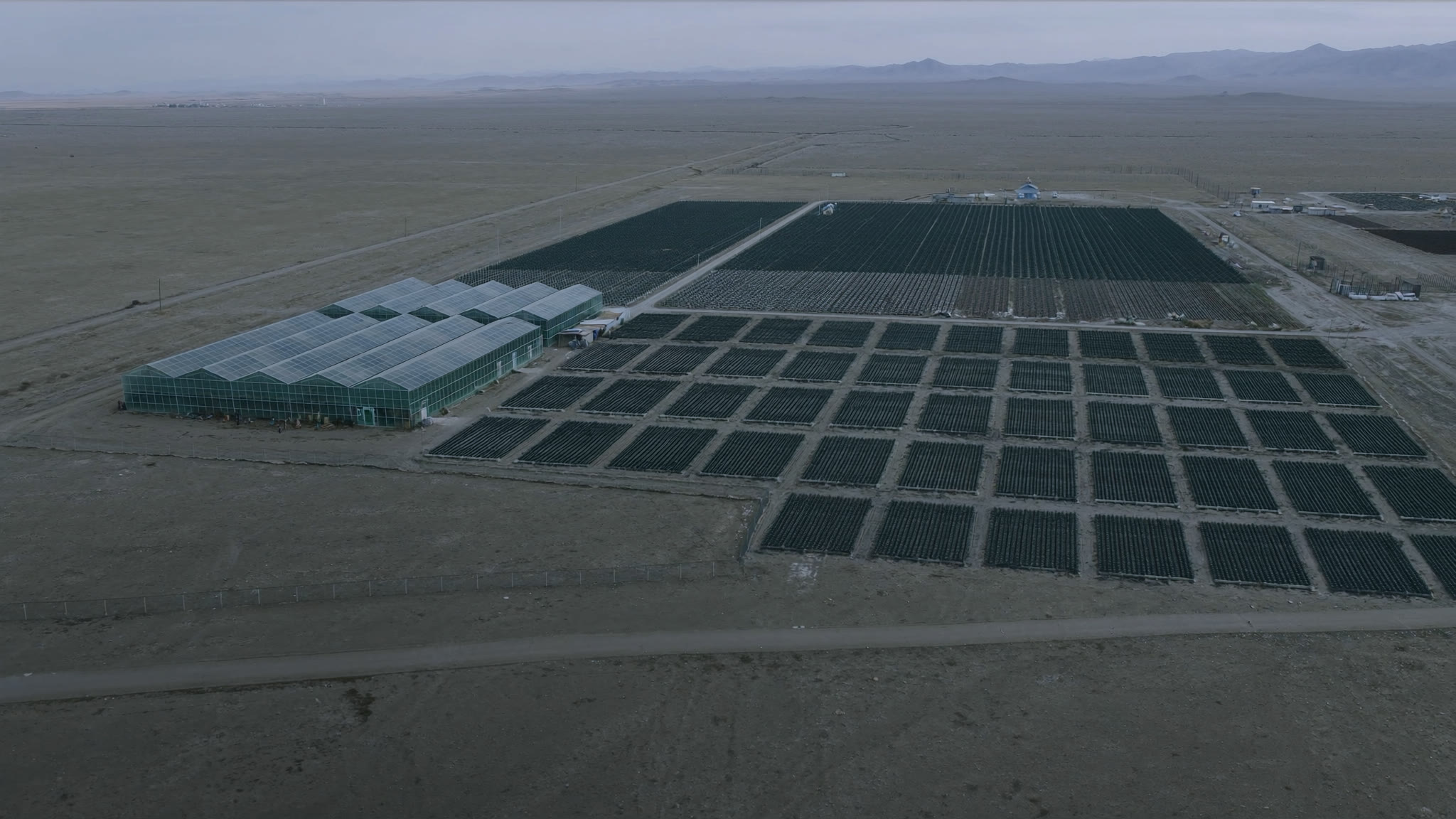
Kodo GE’s answer is a standard industrial nursery complex: a 25 ha unit with greenhouse container lines, bare-root fields and an In Vitro laboratory, producing 20 million seedlings a year across six species. The same production system has run commercially in Latvia for more than a decade. Each complex is self-contained, so capacity grows by adding complexes wherever a national programme needs supply.
One design, many sites. Every complex follows the same layout, equipment and 24-month build to full capacity, so new units can follow national demand without redesign. Phase 2 doubles a complex to 40 million seedlings a year with minimal additional build. Site details are shared under NDA.
A proven system, built to scale.
Three propagation methods
Container seedlings in under a year; two-year bare-root stock for spruce and birch; and In Vitro hybrid aspen clones, harvested three times from one planting.
Proven, not a prototype
The production system has run commercially in Latvia for more than a decade and is localised for Central Asian climate conditions.
Higher-value forests
Genetically selected stock yields 25 to 30% more merchantable wood at harvest age and about 15% more total stand volume than natural regeneration.
Climate and land
Native and hybrid species restore degraded land, support biodiversity and create a long-term carbon sink, in line with UN SDGs 13, 15 and 8.
Delivery pathway
Central Asia Afforestation
in brief
In Central Asia, where national planting programmes need supply. The programme is not tied to one site: details for each complex are shared under NDA.
Each complex is a standard 25 ha unit producing 20 million seedlings a year, expandable to 40 million. Capacity grows by adding complexes, not by redesigning them.
Six native and hybrid species, including pine, spruce, birch, oak, alder and hybrid aspen, selected and localised for regional conditions.
Each year of output from one complex supports around 28,000 ha of managed forest. Over the trees’ lifecycle this builds a long-term carbon sink and supports soil restoration and biodiversity.
Development banks, impact and natural-capital funds, and strategic partners. Detailed information is shared subject to an NDA.
Discuss Central Asia Afforestation
with Kodo GE

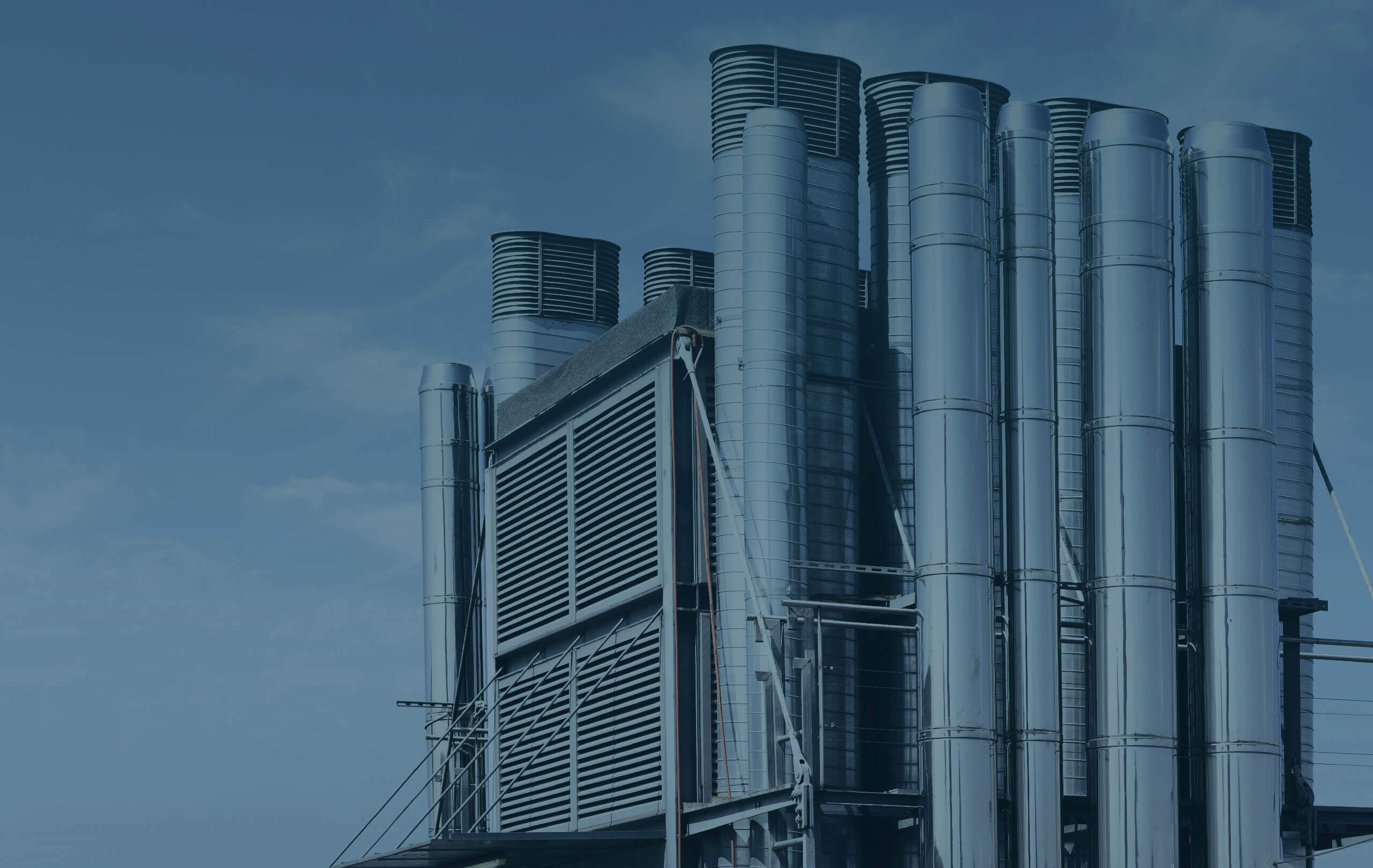
P2P Plant, Liepaja, Latvia